
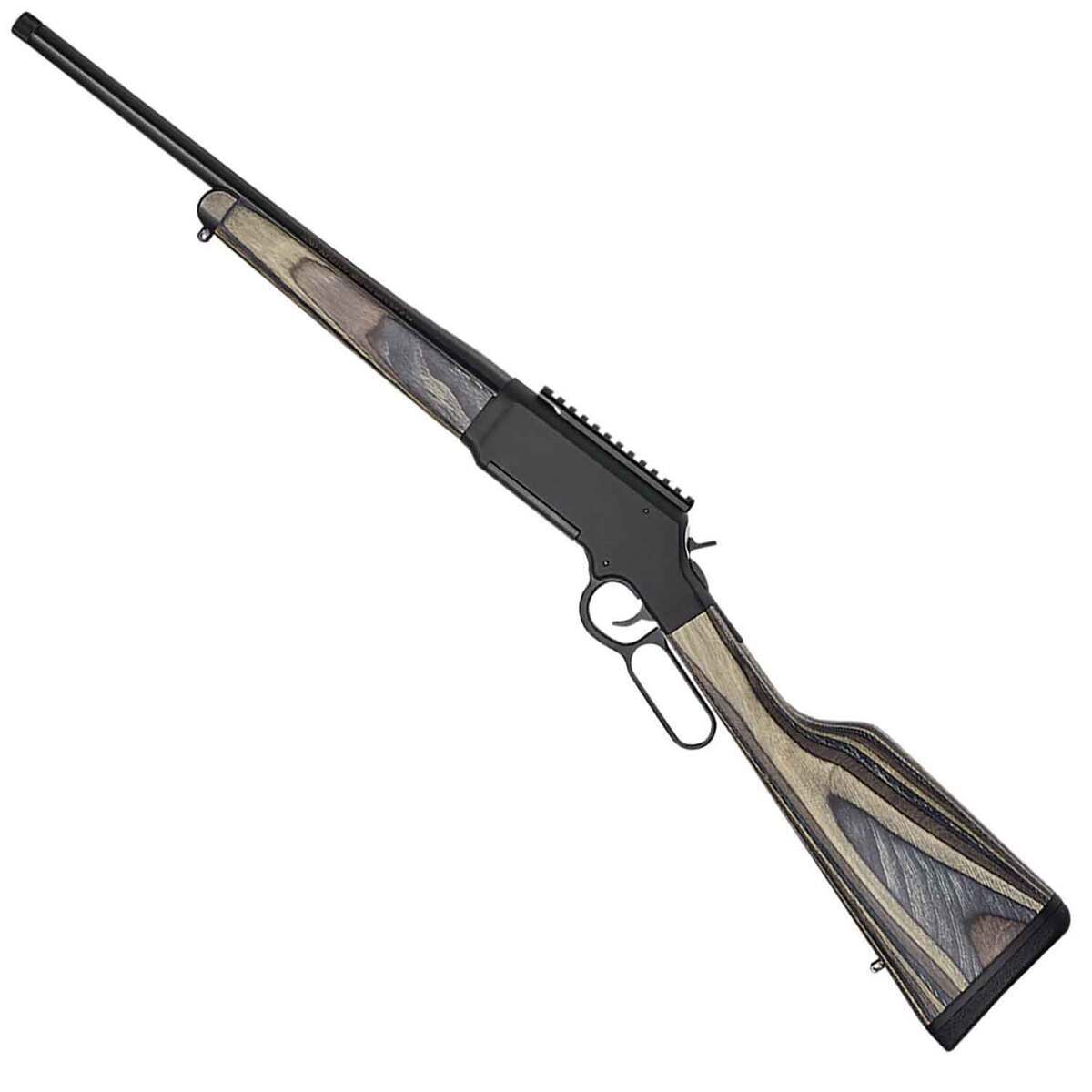
If you’re on a budget but don’t want to sacrifice reliability in the field, cheap hunting guns can be a practical solution. This guide walks you through what to look for when shopping for affordable firearms for hunting, how to balance cost and quality, safety considerations, and tips for getting the best value. Whether you’re a first-time buyer or adding a backup firearm to your kit, understanding how to evaluate cheap hunting guns will help you make a smarter purchase.
Why Consider Cheap Hunting Guns?
Hunting can be an expensive hobby once you factor in gear, licenses, travel, and ammunition. Cheap hunting guns allow hunters to enter the sport without a prohibitive upfront cost. For beginners, a low-cost firearm can be an excellent way to learn fundamentals before investing in a pricier, specialized rifle or shotgun. Likewise, seasoned hunters may want a reliable, inexpensive option for certain situations like a lightweight rifle for backpacking or a simple shotgun for dove season.
Types of Cheap Hunting Guns
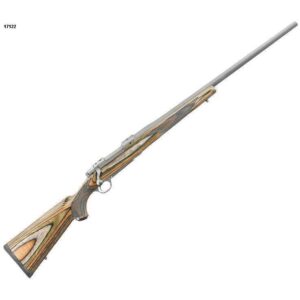
Bolt-action rifles: Many entry-level bolt-action rifles provide acceptable accuracy and durability at low prices. These models often have synthetic stocks, simple iron sights or basic scopes, and proven actions that are easy to maintain.
Break-action and single-shot rifles: Simple single-shot rifles are commonly among the most affordable hunting firearms. Their straightforward design makes them easy to use and maintain, and they can be perfect for small-game hunting.
Pump-action and break-action shotguns: For upland birds and close-range hunting, cheap shotguns can be effective. Pump-actions and break-actions (single- or double-barrel) are widely available at lower price points and can be quite reliable.
Lever-action rifles: For hunters who prefer a classic style, entry-level lever-actions can offer value. They’re often chambered in versatile calibers and provide quick follow-up shots.
What to Look for When Buying Cheap Hunting Guns
Reliability: A cheap price is worthless if the gun jams, misfires, or fails in the field. Look for models with good reputations and simple, proven mechanisms.
Fit and ergonomics: Even inexpensive guns should feel comfortable. Try before you buy when possible a rifle or shotgun that fits you poorly will make accurate shooting much harder.
Durability and materials: Synthetic stocks and parkerized or blued finishes can offer decent durability at low cost. While you may not get high-end coatings, a well-made affordable gun can last many seasons with proper care.
Barrel quality and accuracy: For rifles, barrel quality heavily influences accuracy. Some budget rifles punch well above their weight; read reviews and, if possible, test-fire before purchasing.
Availability of parts and service: Choose models for which parts and service are readily available. That increases the lifespan of cheap hunting guns and keeps maintenance costs low.
Used Guns as an Option
The used market is a great place to find cheap hunting guns with better components than new low-end models. A well-cared-for used rifle or shotgun from a reputable brand can outperform a brand-new budget firearm. When buying used, inspect for:
- Bore condition and rust
- Function of the action and safety
- Stock integrity (cracks or repairs)
- Signs of excessive wear or modifications
If you can, test-fire a used gun or have a gunsmith inspect it before purchase.
Balancing Cost and Ammunition
A crucial aspect of buying cheap hunting guns is considering ammunition cost and availability. Some calibers are expensive or hard to find; choosing a common, affordable caliber helps keep long-term costs down. For shotguns, standard shells are usually inexpensive and widely available, making them practical budget options.
Accessory Priorities
When money is tight, prioritize accessories that improve safety and effectiveness:
- Proper eye and ear protection
- A quality sling or case
- A basic scope for rifles (budget optics have improved significantly)
- A maintenance kit for cleaning and lubrication
Avoid overspending on decorative upgrades; focus on items that directly impact performance and safety.
Safety and Legal Considerations
Owning cheap hunting guns comes with the same responsibilities as owning any firearm. Always:
- Follow local, state, and national laws regarding firearm ownership, transfer, and transport. Regulations vary widely check your jurisdiction before buying.
- Complete any required background checks or licensing.
- Store firearms unloaded, locked, and inaccessible to unauthorized users, especially children.
- Use safe handling practices: always point the muzzle in a safe direction, keep your finger off the trigger until ready to shoot, and be certain of your target and what’s beyond it.
- Consider taking a hunter safety course, which many jurisdictions require before obtaining hunting tags.
Maintenance Tips for Budget Firearms
Cheap hunting guns can be long-lived if cared for properly. Basic maintenance includes:
- Regular cleaning of the bore and action after use
- Periodic inspection for wear, cracks, and loose screws
- Proper lubrication with recommended products
- Protecting exposed metal from moisture and rust
- Storing in a cool, dry place with a dehumidifier if needed
Routine care prevents small problems from turning into costly repairs.
Where to Buy Cheap Hunting Guns
Consider multiple channels:
- Local gun shops and sporting goods stores — you can inspect and often test-fire or handle guns before buying.
- Gun shows good for comparisons and sometimes deals, but inspect carefully.
- Private sales can yield bargains, but follow legal transfer rules and meet in safe, public places.
- Reputable online dealers often have wider selections and competitive pricing but factor in transfer and shipping to a local FFL where required.
Common Mistakes to Avoid
- Buying purely on price: The absolute cheapest gun may end up costing more if it’s unreliable.
- Ignoring fit: An uncomfortable gun makes accurate shooting difficult and less enjoyable.
- Forgetting the cost of ammo and accessories: A cheap gun can become expensive once you factor in optics, mounts, and quality ammunition.
- Overlooking legal requirements: Skipping background checks, registration, or failing to follow transfer laws can lead to severe consequences.
Model Considerations
Rather than endorse specific models (availability varies by region and law), look for well-reviewed entry-level offerings from established manufacturers. Read independent reviews, check hunter forums, and compare warranty and service policies. Many longtime hunters recommend budget models that have been in production for years because parts, aftermarket accessories, and community knowledge make ownership easier.
Testing and Sight-In
After purchase, always test cheap hunting guns safely at a range to confirm reliability and accuracy. For rifles, sight-in the scope at a suitable distance and verify point-of-impact with the ammunition you plan to use while hunting. Practice with the gun to build confidence and ensure you can make ethical shots.
Optimizing Performance on a Budget
- Bedding and simple stock adjustments can improve rifle accuracy without large expense.
- A basic, properly-mounted scope generally improves practical hunting performance more than an expensive trigger or cosmetic upgrade.
- Use appropriate, high-quality ammunition suited to your target game; premium ammo sometimes yields better terminal performance and accuracy, which can be more ethical despite higher per-round cost.
Ethics and Responsibility
Budget hunters must still adhere to ethical standards. Shot placement, respect for seasons and bag limits, and fair chase principles remain paramount. Don’t let price deter you from practicing and ensuring quick, humane kills.
FAQ
Q: Are cheap hunting guns safe for beginners?
A: Yes, provided they are from reputable sources, inspected, and used with proper safety training. Budget guns are suitable learning tools when handled responsibly.
Q: Is it better to buy new or used?
A: Used guns can offer superior value if inspected and tested, but new guns come with warranties and known history. Consider both options.
Q: Do cheap hunting guns require special maintenance?
A: No special maintenance beyond standard firearm care, but thorough inspections are important to catch wear that could impair reliability.
Q: Which calibers are best for cheap hunting guns?
A: Choose common, readily available calibers to minimize ammo cost and improve options for practice and hunting loads; consult local game recommendations.
Conclusion
Cheap hunting guns make hunting more accessible, but smart buying decisions and a focus on safety, legality, and maintenance are essential. Whether you choose a new entry-level rifle, a used classic, or a budget shotgun, prioritize reliability, fit, and ammo availability. With proper care and practice, cheap hunting guns can be a dependable part of your hunting kit without breaking the bank.
Reviews
There are no reviews yet.